Many organisations working on climate, air quality, and sustainability have already invested in video and digital content to share their work. But investment alone doesn’t guarantee engagement.
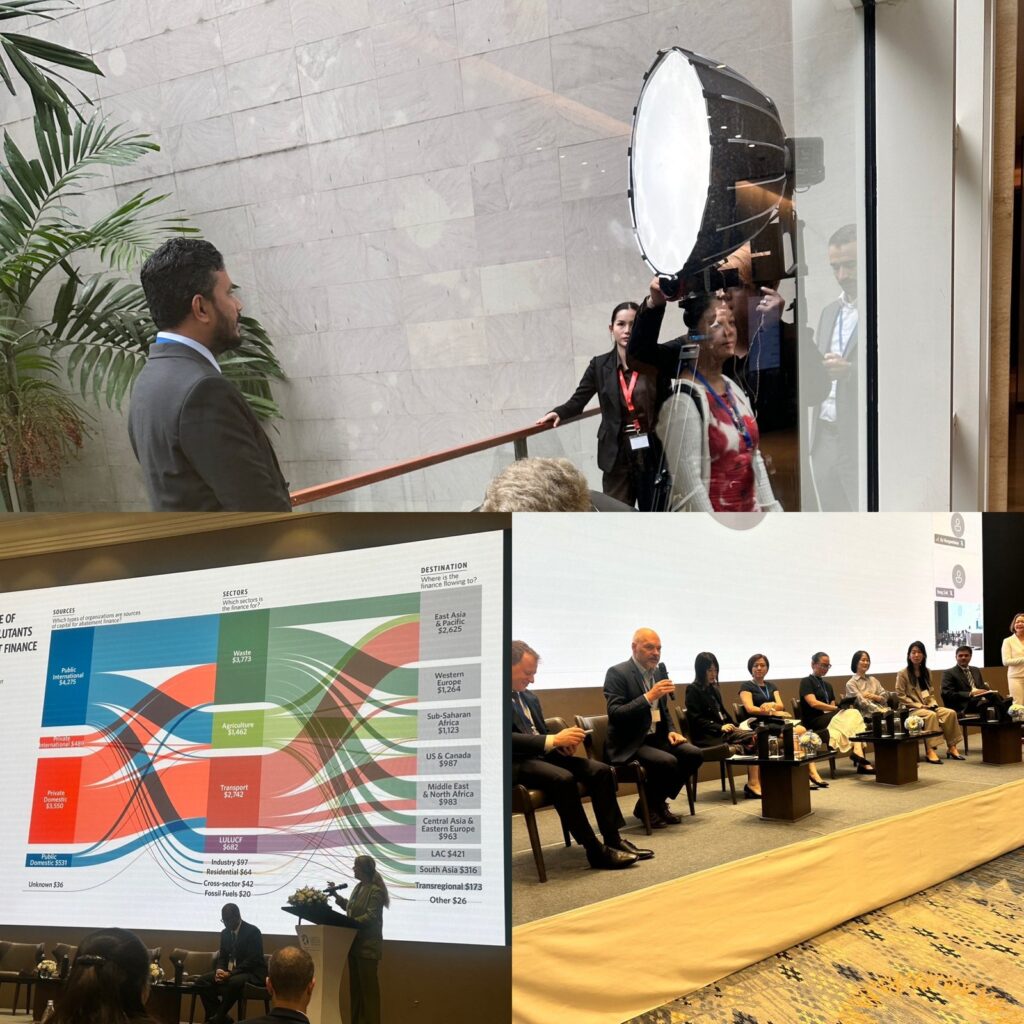
Scientists mainly write for their peers, a senior doctor from Delhi’s AIIMS hospital said at an air quality conference about a year ago. The point he was making is the need to break out of silos, and reach general audiences.
After reach comes engagement; while reach is how many viewers have a chance to see your content, engagement is a still deeper metric that measures how many of them share, like, comment, repost. Climate sustainability stories need to be watchable, listenable, and readable and, in this AI-age, searchable.
There are some fine examples of climate comms, but these are limited to a few organisations or science communicators. That’s insufficient given how both the media and climate are changing rapidly. And both are interlinked as far as awareness and climate action are concerned.
Climate Action Faces Media Challenges
The media landscape may seem chaotic to somebody outside it; it certainly does to folks in this climate sustainability space because in my chats with them, there’s often a sense of bewilderment or despair at why the media isn’t playing these issues up enough. Or if it is, then it’s not properly done!
Here’s where things stand as of now. Most media consumption is now video, and via social media. And climate change reporting is also declining.
Legacy media’s audiences may be declining, and alternatives to legacy media have become stronger in recent years. But both sets – legacy, and independent journalists and content creators – have limited bandwidth. There are only so many climate-focused stories that they will do. Often the reason not to do these may simply be the complexity of climate stories, or that they aren’t compelling enough compared to what else is on that day’s newslist.
While there are a lot more reels, podcasts, YouTube channels and so on, there is a legitimate concern that the proportion of climate stories is declining.
[A recent analysis of air quality content done for about 20 AQ organisations reveals their low media output. More on that in a separate NCM blog.]
Climate communications change
At the same time, global warming is picking up pace, emissions aren’t being cut fast enough and green financing remains strained.
NextClimate Media began on the premise that this rapidly changing media landscape and the rapidly warming climate need to be aligned, that awareness about adaptation and mitigation solutions should be a daily story.
Impactful communications can be achieved by the experts themselves. Because nobody knows your story better than you. The question is how to improve engagement and reach the right audiences.
NCM upskills comms across an org structure
That’s the thinking behind what NCM calls Newsroom-as-a-Service (NaaS): taking the core skills of a broadcast newsroom – processing information, identifying the hook or headline, storyboarding, sticking to deadlines, reviewing metrics to see what worked, and much else – and applying them to your organisation’s storytelling, systemically. This helps create a content pipeline in an organisation.
Building climate comms capacity
A sharper hook, a stronger format, the right platform at the right moment, greater frequency – small shifts can change how far your work travels. That requires creating a media strategy that cuts across an organisation’s verticals.
The videofication of everything
Video is now central to how people encounter information — a shift happening across professions, from lawyers to farmers to climate experts. As a client told me, it’s the videofication of everything. Storytelling can no longer be handed off entirely to a traditional PR or communications agency. It has to live inside the organisation itself.